
Review · TENERIFE
Tenerife: Guided Canyoning Experience in Los Arcos
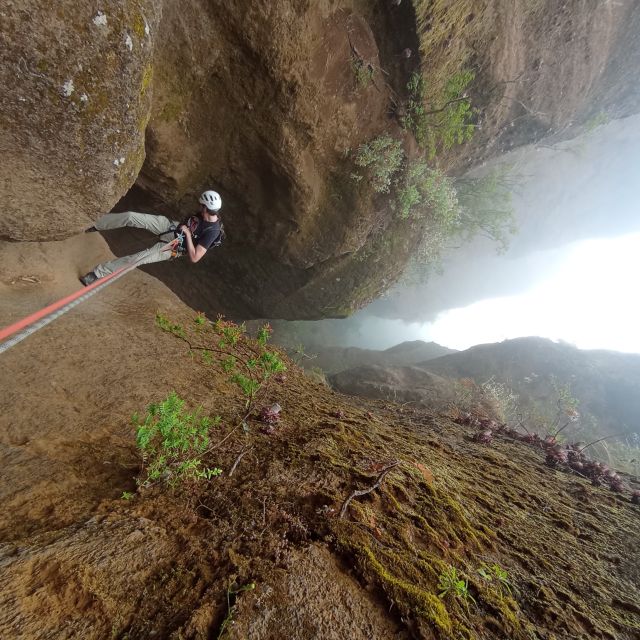
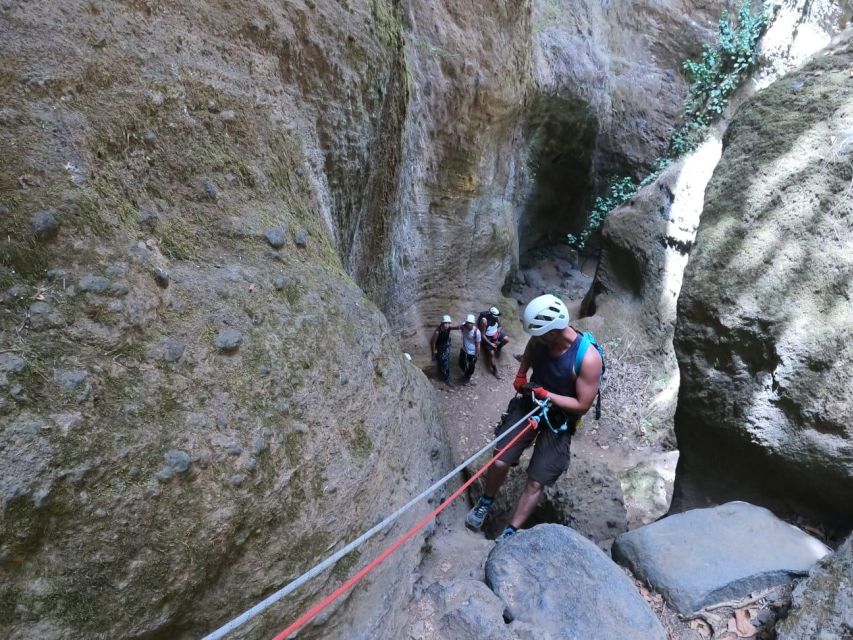
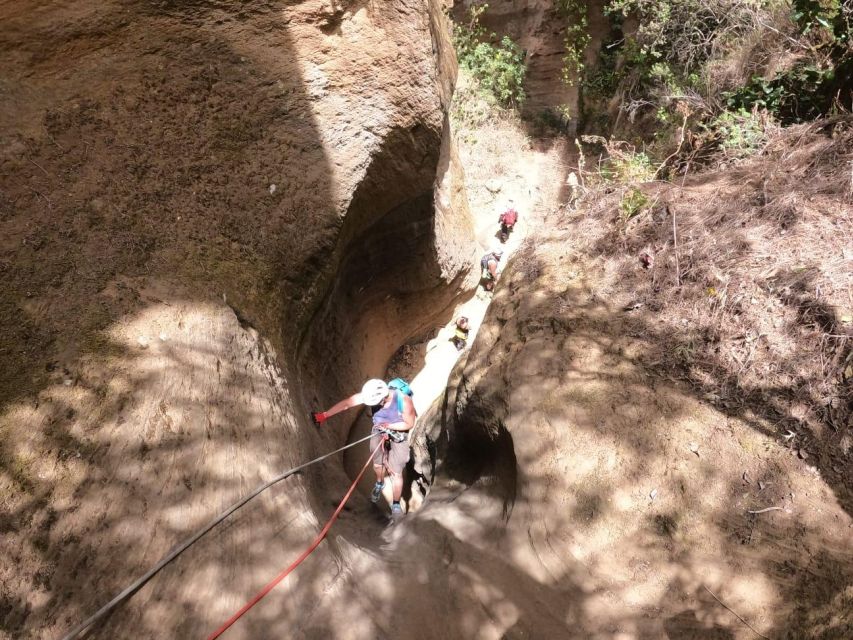
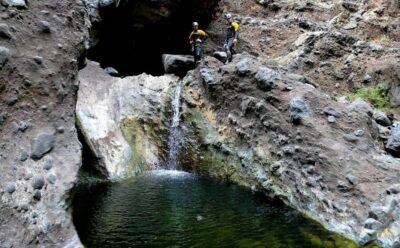
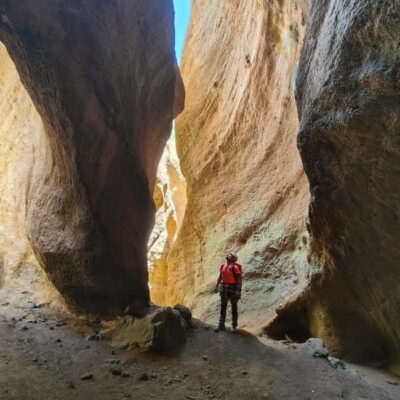
Los Arcos is not a standard sightseeing stop. It is a narrow volcanic ravine where water has carved strange arches and walls from layers of ash. You walk in through the forest, clip into ropes, and lower yourself down a series of walls, with the biggest drop reaching about 20 meters.
I like the careful build-up: the first walk gives you time to get comfortable, and the short rope lesson comes before the serious descents. I also like the guide’s wider view of the island. Alexis, also called Alex by some participants, explains Tenerife’s geology, plants, wildlife, and the forest’s slow recovery after the 2023 fire.
The main drawback is that this is a full six-hour outing, not a quick adventure. You need a 45-minute uphill or uneven approach walk, warm layers, hiking shoes, and enough fitness for repeated descents and a final walk back.
Key points at a glance
- Seven or so rappels through volcanic ash: Expect several descents of different heights, with the largest wall around 20 meters.
- A 45-minute forest approach: The canyon begins after a walk from the Casa Forestal meeting area, including fire-affected ground.
- A guide who adds real context: Alexis or Alex combines rope instruction with details about geology, endemic plants, animals, and local fire recovery.
- Beginner-friendly, but not effortless: The route starts with smaller sections and builds gradually, yet it still demands steady walking and comfort with heights.
- Small groups of up to nine: A limited group makes it easier for the guide to watch each person and give individual help.
- Bring proper footwear and warm clothes: Hiking boots matter, and the gorge can feel cold while you wait for others to descend.
Why Los Arcos feels different from a normal Tenerife outing
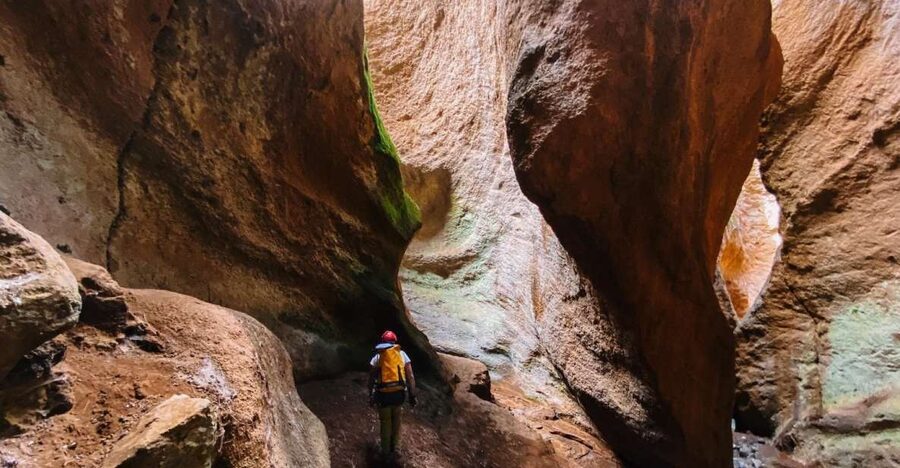
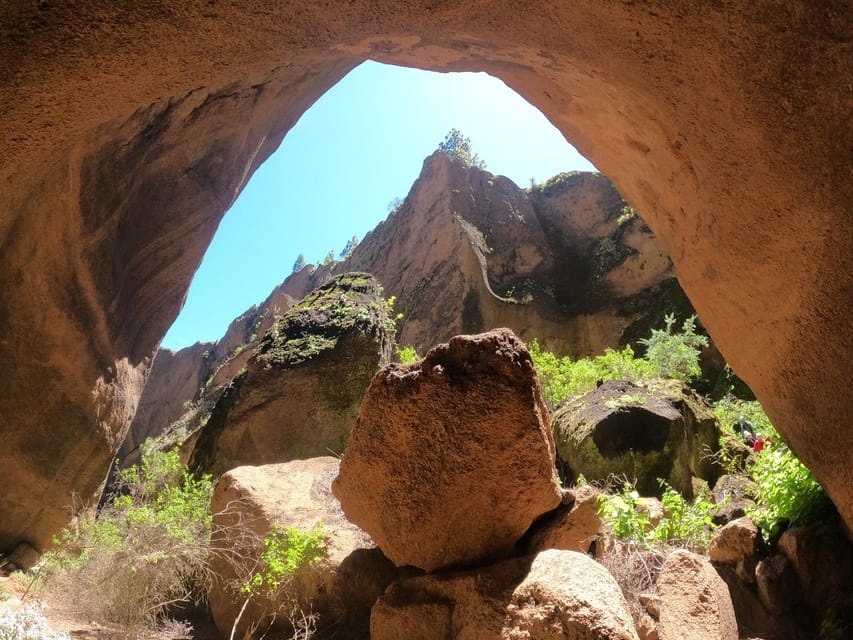
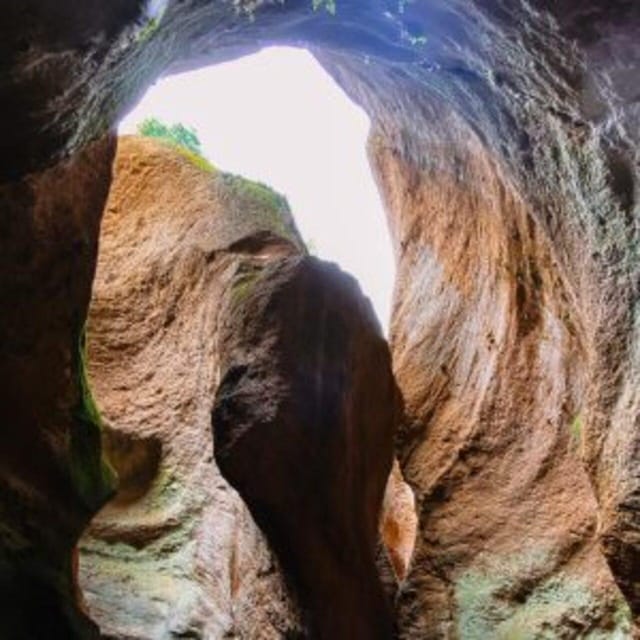
Tenerife offers beaches, resort promenades, and the high volcanic scenery around Teide. Los Arcos gives you a closer look at how water and volcanic material shaped the island. The canyon walls are made from volcanic ash, not solid granite, and erosion has cut openings and curved forms into them over time.
That geology becomes easier to understand when you are standing beside the walls rather than viewing them from a road. Your guide points out the layers, explains how water formed the arches, and connects the rocks to the island’s wider volcanic story.
I also like that the route is not only about adrenaline. The forest approach and the pauses between rappels create room for talk about endemic flora and local wildlife. After the major fire in summer 2023, parts of the area remain visibly affected. You cross some burned ground on foot, and the guide explains how nature is beginning to recover.
That detail gives the outing a more honest feel. You are not being shown a perfectly untouched wilderness. You are seeing a living place that has suffered damage and is slowly growing back.
More Guided Tours in Spain:
- From Marbella: Guadalmina River Guided Canyoning Adventure
★ 4.9 · 1,486 reviews - Benahavís: Guided Canyoning Adventure (Benahavís River Walk)
★ 4.9 · 540 reviews - From Estepona: Guadalmina River Guided Canyoning Adventure
★ 4.9 · 209 reviews
Meeting at Casa Forestal and getting ready
The meeting point is the car park beside Cafeteria Los Andes, at Casa Forestal. A TITSA bus stop and toilets are nearby, which is useful before a six-hour activity. Hotel pickup is not included, so you need to arrange your own way there.
From the meeting point, the guide drives each participant in their own car for about five minutes to the access point. This is a small but important detail. You are not placed into a tour bus, and you should arrive with a usable car if the local transfer requires it.
After that short transfer, you begin the 45-minute approach on foot. This is not dead time. It is when you move from the meeting area into the canyon setting, learn about the forest, and start getting used to the terrain.
The approach crosses some areas affected by the 2023 fire. Conditions may look rough in places, and the ground can be uneven. Bring proper hiking shoes rather than casual trainers. One participant specifically noted that boots may need to be rented for an extra 10 euros if you arrive without suitable footwear, so it is cheaper and simpler to bring your own.
The rope lesson before the first descent
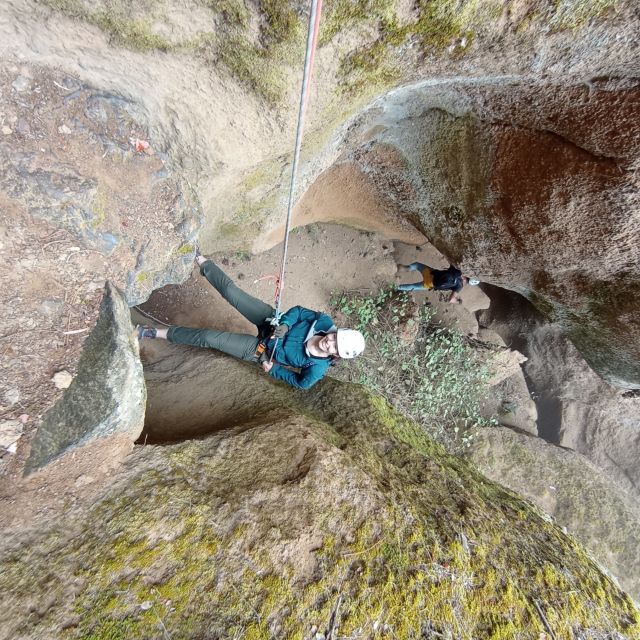
At the canyon, you put on the supplied helmet and harness. The guide then runs a short training workshop before you begin the rappels. This matters if you have never canyoned before, since you are not expected to arrive with rope skills.
The guide explains how to use the equipment and how to position yourself on the wall. You control your movement with the rope while the guide manages the safety system and gives instructions from above or below. The exact technique depends on the route and the guide, so listen closely and follow each direction.
The activity is described as suitable for beginners, and the route builds in stages. You do not begin with the highest wall. Smaller descents help you learn the rhythm before the taller sections arrive.
That gradual start is one reason the experience works for first-timers. Several people who had never canyoned or rappelled before found the first moments intimidating, then settled into the activity once the instructions made sense. You still need to accept a real height above the ground, but the guide is there to help you through it.
Rappelling down seven different walls
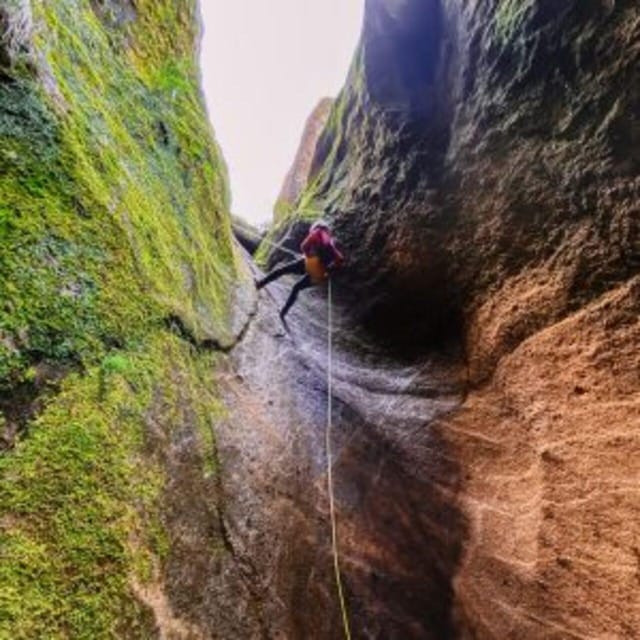
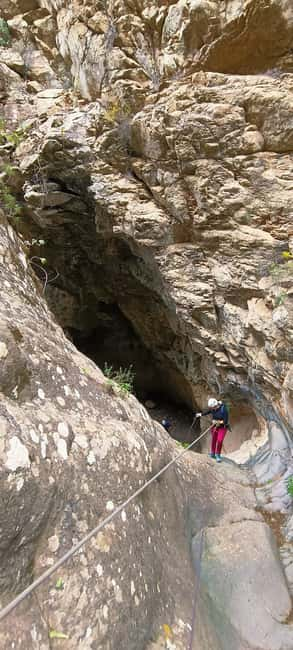
Once you reach the first abseil, the outing changes pace. You lower yourself down several walls, each with a different shape and height. The route includes descents reported at roughly 20, 16, and 10 meters, with other sections smaller than that.
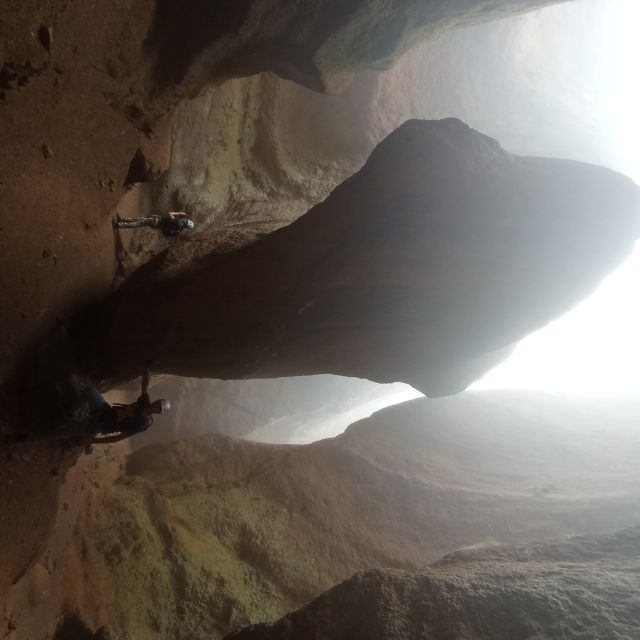
The volcanic ash makes the canyon visually unusual. The walls are not all alike, and erosion has shaped them into curved surfaces, ledges, and arches. Some areas can be slippery, and there are sections where long pants or leggings make sense because you may slide or rub against the rock.
The highest wall is about 20 meters. That is high enough to provide a proper rush, but the route does not turn into a technical climbing expedition. You descend by rope rather than scrambling up and down the canyon walls under your own power.
You should expect pauses. A group of up to nine people cannot all descend at once, so you may wait while another person completes a rappel. That can feel cold, especially in cooler weather, but it also gives you time to look closely at the canyon and watch the techniques you will use next.
Bring a warm layer even if the day begins pleasantly. One participant advised packing an extra sweater, and that is sensible. A jacket, long pants, water, food, and weather-appropriate clothing all belong in your daypack.
More Canyoning Tours around Spain:
- From Marbella: Canyoning Tour in Guadalmina Canyon
★ 5.0 · 778 reviews - Gran Canaria: Canyoning Trip
★ 4.5 · 527 reviews - Mallorca: Half-Day Coasteering Experience
★ 4.7 · 447 reviews - Canyoning with Waterfalls in the Rainforest – Small Groups ツ
★ 5.0 · 430 reviews
What the guide adds beyond rope work
The guide is a major part of the experience. Alexis, often referred to as Alex, is repeatedly praised for calm instruction, patience, humor, and careful attention to each person. Those traits matter most when someone freezes at the edge of a wall or needs the instructions repeated.
You get more than a basic safety briefing. The guide talks about the canyon’s geological formation, the island’s native plants, animals, and the effects of the recent fire. He may also share local legends and practical canyoning tips.
This combination gives the day a better balance. You are not simply counting the minutes until the next rappel. You are learning why the canyon looks the way it does and noticing plant life you might otherwise walk past.
The guide also adjusts his approach to the group. Some people arrive excited and ready to go. Others are nervous about heights. A calm, patient instructor can make the difference between an enjoyable challenge and an unpleasant one, especially during the first descent.
The activity runs in English and Spanish. If language support matters to you, check your preferred starting option when booking.
How demanding is the six-hour route?
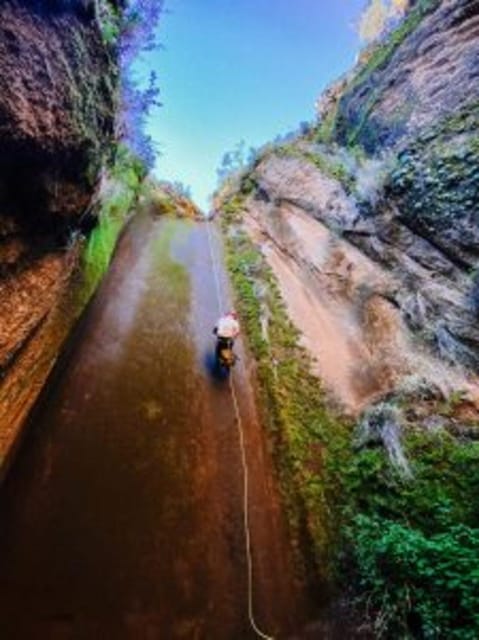
The experience is beginner-friendly, but I would not call it easy. The approach alone takes about 45 minutes, and the activity includes repeated walking, standing, harness work, and rope descents. The final walk back to the meeting point takes another 35 minutes.
You do not need previous canyoning experience. You do need basic mobility, reasonable stamina, and enough comfort with uneven ground to manage the approach and return. The biggest physical challenge may be the long day rather than any single rappel.
Height is the bigger question. If you are nervous, the gradual sequence helps, but you still need to step backward over canyon edges and trust the rope system. The guide can support you with instructions, but he cannot remove the height from the experience.
The activity is not suitable for children under 16, pregnant women, wheelchair users, visually impaired participants, people over 60, people under 120 centimeters tall, or anyone over 127 kilograms. These limits are worth checking carefully before you pay, since they relate to the route and equipment rather than simple preference.
Do not arrive intoxicated, and smoking, vaping, alcohol, drugs, drones, and littering are not allowed. Unaccompanied minors cannot take part.
Clothing, food, and the small items that matter
Your packing choices can make the day much better. Wear hiking shoes with a firm grip, long pants or leggings, sportswear, and a jacket or warm layer. A hair tie helps keep loose hair away from the helmet and harness.
Carry water, food, and a small daypack. You should also bring a charged smartphone, though it is wise to protect it from knocks and keep it secure around the ropes. A garbage bag is required for carrying out your waste.
Shorts are possible, but they are not the best choice for everyone. Some rock sections can be slippery or rough, and one participant found long trousers more comfortable when sliding on the rock.
Weather can change the plan. If conditions or official warnings make the activity unsafe, you can move to another date, choose a similar activity, or receive a full refund. That flexibility is useful for an outdoor outing, since the canyon depends on safe weather and ground conditions.
Is $82 a fair price?
At $82 per person, this is not the cheapest way to spend half a day in Tenerife. The price makes more sense when you count what is included: a certified canyoning guide, accident insurance, access permits for the natural area, and all required canyoning equipment.
You are also paying for route planning and safety management. A first-time participant cannot simply show up at Los Arcos, attach a rope, and safely work through several volcanic walls. The guide handles the technical part while adding natural and geological interpretation.
The small group limit of nine improves the value. You get more direct instruction than you would on a large coach excursion, and the guide can spend time with anyone who needs extra support. The five-minute car transfer is not hotel pickup, so you should factor in your own transport to Casa Forestal.
For an active half-day with equipment, insurance, permits, and a specialist guide, I consider the price reasonable if you genuinely want canyoning. If you are mainly looking for a scenic walk, it is not good value because much of the cost supports the rope activity.
Who will enjoy Los Arcos most?
This trip suits you if you want an active way to see Tenerife and like the idea of learning a new skill outdoors. It works especially well for first-time canyoners who want a proper route rather than a short practice wall.
You will probably enjoy it most if you:
- Like heights and physical challenges
- Want to see volcanic geology at close range
- Appreciate nature information alongside adventure
- Can walk for 45 minutes before the rappels
- Are comfortable spending about six hours outdoors
- Prefer a group capped at nine people
It is less suitable if you want a relaxed sightseeing trip, dislike waiting between activity sections, or feel strongly uneasy about descending from exposed walls. The canyon is not a demanding expert route, but it is still a real canyoning outing.
The final walk back to Casa Forestal
After the last rappel, you walk back to the meeting point for about 35 minutes. This gives you a chance to cool down and take in the forest after the focus and tension of the rope sections.
The return is also a reminder that the excursion is not only a sequence of drops. You spend substantial time moving through the surrounding area on foot, including ground affected by the fire. Bring enough water and do not treat the final walk as an afterthought.
You finish where you started, at Casa Forestal. Since hotel transport is not included, plan your onward journey before you set off, particularly if you are using public transport or have a tight evening schedule.
Should you book this Los Arcos canyoning trip?
I would book it if you want a memorable, hands-on look at Tenerife’s volcanic terrain and are willing to work for it. The strongest reasons are the gradual beginner-friendly route, the range of rappel heights, and a guide such as Alexis or Alex who combines safety with clear explanations about nature and geology.
Think twice if six hours outdoors feels too long, if you lack suitable footwear, or if heights are a firm no. For everyone else, Los Arcos offers a good mix of rope adventure, unusual rock formations, forest walking, and useful island context. Bring boots, warm layers, food, and patience between descents, then let the canyon provide the drama.
FAQ
How long does the Los Arcos canyoning experience last?
The activity lasts about six hours, including the approach walk, safety briefing, rappelling sections, and walk back to Casa Forestal.
Where is the meeting point?
Meet at the car park next to Cafeteria Los Andes at Casa Forestal. There is a TITSA bus stop and toilets nearby.
How far do you walk before canyoning begins?
The approach walk takes about 45 minutes. After the final rappel, the walk back to the meeting point takes about 35 minutes.
How high are the rappels?
The highest wall is approximately 20 meters. Other descents vary in height, with sections of about 16 and 10 meters also reported along the route.
Is previous canyoning experience required?
No. The experience is suitable for beginners, and the guide provides a short training workshop before the first descent.
What languages are available?
Guides operate in English and Spanish.
What equipment is included?
The price includes all necessary canyoning equipment, including the helmet and harness, as well as a certified canyoning guide, accident insurance, and access permits.
What should I bring?
Bring warm clothing, a jacket, long pants, hiking shoes, sportswear, water, food, a daypack, a hair tie, a charged smartphone, weather-appropriate clothing, and a garbage bag.
Newly roped up around Spain
- Barranquismo Anaga Tenerife★ 4.8 · 12 reviews
- Anna: Guided Canyoning Tour★ 5.0 · 5 reviews
- Anna: Gorgo de la Escalera Water Canyoning★ 4.8 · 34 reviews
- Alicante: Coasteering Adventure on Torres de la Villajoyosa★ 5.0 · 10 reviews
- Anna: amazing water canyoning experience near Valencia★ 4.8 · 33 reviews
- Ronda: Buitreras Canyoning Tour in “The Cathedral”★ 4.0 · 16 reviews
- Shore Excursion: Coasteering in Mallorca★ 5.0 · 40 reviews
- Kayak & Coasteering★ 5.0 · 38 reviews
Tenerife Canyoning Tours, descent by descent.
Canyoning Tenerife: Canyoning Los Arcos la Orotava
Read our review →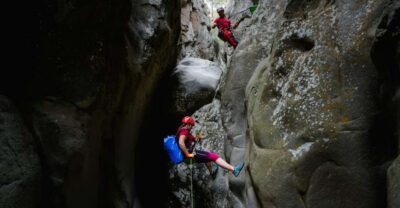
This trip also sits on these lists