
Review · MOAB
Moab Canyoneering Adventure
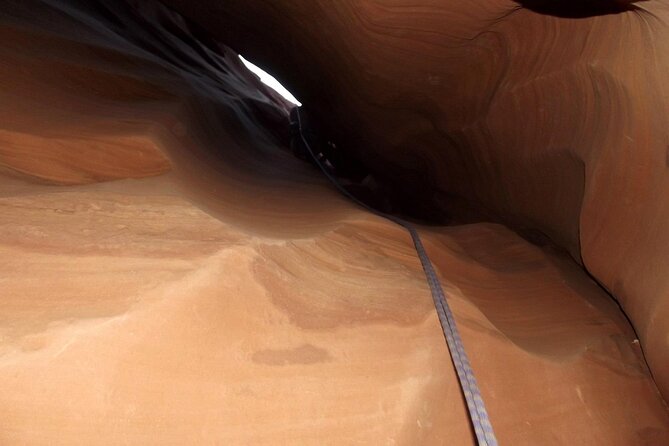
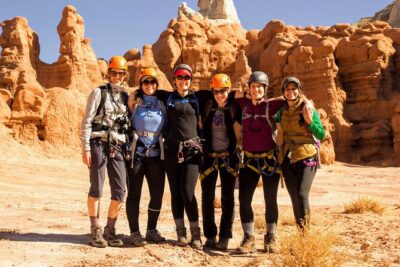
The most memorable part of this Moab adventure is not simply reaching a canyon. It is working your way through it, using ropes, careful footwork, teamwork, and a good measure of nerve. You may rappel more than 100 feet, squeeze through narrow rock walls, scramble over sandstone, and splash through water-filled pools.
I like that all technical equipment and 4×4 transport are included, and I like the teaching. Guides including Mike, Wyatt, Katy, and Chris are praised for clear instructions and calm support, especially with first-time rappellers. The main caution is simple: this is a real physical outing, not a scenic drive with a short walk. Heat, heights, rock scrambling, and long hours can make it tiring.
Key points to know before booking
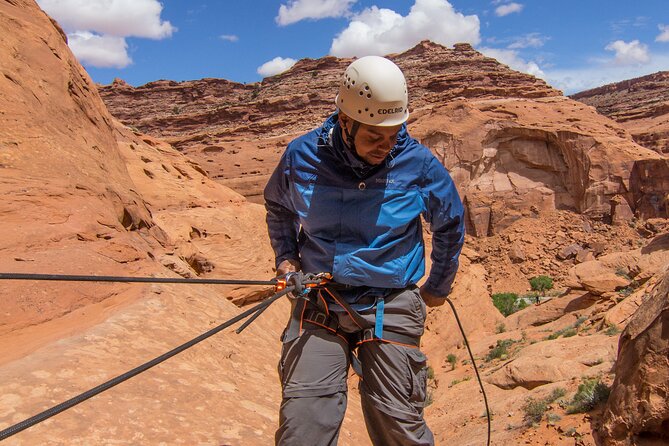
- Choose your level carefully: The half-day trip introduces beginners to canyoneering, while the full-day Robbers Roost outing is rated moderately difficult.
- Expect more than rappelling: Hiking, scrambling, chimneying, rope-assisted down climbs, and water-filled potholes are all part of the sport.
- The guides teach as they go: You learn how to use the rope system and place your feet, rather than simply being lowered from one platform to another.
- The full-day trip reaches remote desert: Robbers Roost offers a more demanding setting and includes a buffet-style lunch.
- Bring serious water supplies: Pack more than one gallon per person, especially in hot weather.
- The price covers useful basics: At $250 per person, the cost includes a licensed guide, technical gear, transport, and hotel pickup and drop-off when available.
What kind of Moab adventure is this?
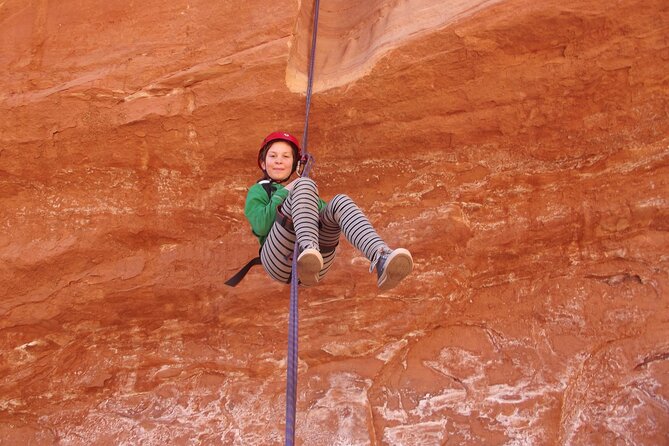
Canyoneering is part hiking, part climbing, part route-finding, and part problem-solving. In Moab, that mix takes place among red rock walls, dry desert country, narrow slots, and sudden drops. You do not simply follow a marked trail. You move through the canyon in the way the terrain allows.
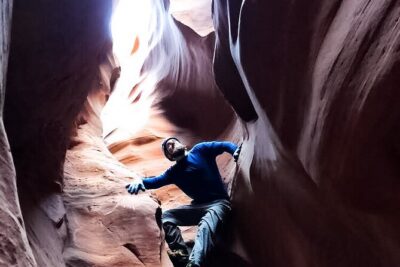
That can mean lowering yourself over a rappel, turning sideways to pass through a tight section, using a rope to control a down climb, or stepping carefully around a water-filled pothole. Your guide handles the technical planning and safety system, but you still need to participate.
The half-day option is intended for adventurous beginners. No previous canyoneering experience is required, but you should be in moderate physical condition and ready for a full-body workout. The full-day trip to Robbers Roost is the more serious choice. It is rated moderately difficult and suits active people who want more time in a remote canyon setting.
The experience is offered in English, with a maximum of 12 people. That cap matters. A technical outing becomes harder to follow when the group is huge, so a limit of 12 gives the guide a workable group while keeping the trip social.
More Canyoning Tours around the USA:
- East Zion 4 Hour Slot Canyon Canyoneering UTV Tour
★ 5.0 · 820 reviews - East Zion Canyoneering: Elkheart Canyon & UTV Tour
★ 5.0 · 524 reviews - East Zion: Coral Sands Half-day Canyoneering Tour
★ 5.0 · 467 reviews
Starting at Navtec Expeditions in Moab
The meeting point is Navtec Expeditions at 321 North Main Street in Moab. If you meet there, arrive 10 to 15 minutes before your scheduled departure. Parking is available in the office lot, with free curbside parking nearby if the lot is full.
Hotel pickup and drop-off may be available, depending on where you are staying. That is useful if you are carrying a day pack and a large supply of water, or if you would rather not worry about finding the office before an early start.
The drive to the canyon is part of the practical value of the trip. Transport is provided by 4×4 vehicle, so you are not expected to arrange your own route to the canyon access point. The exact driving time and canyon route are not specified, so ask when booking which option and location you are receiving.
The activity ends back at the meeting point. Bring only what you can carry comfortably. A camera is allowed, but it is carried at your own risk. In a canyon, a phone or camera can be exposed to drops, water, dust, and rough rock.
Learning the ropes before the real work begins
A good guide makes technical activity feel manageable without pretending it is easy. The instruction here covers the basics of canyoneering, including how to use a harness, helmet, and rope system. You also learn the practical movements needed to descend through confined rock.
Expect your guide to explain rappelling, rope-assisted down climbs, chimneying through slot sections, and the teamwork needed to negotiate obstacles. The reviews of guides such as Mike and Wyatt repeatedly point to clear directions and a strong focus on safety. Mike is also praised for showing beginners where to place their feet, a small detail that can make an awkward descent feel far more controlled.
You should still expect a learning curve. Rappelling may feel natural after one descent, but moving your body over uneven sandstone, keeping tension on the rope, and finding secure footholds can take attention. If you are nervous around heights, say so early. Several guide names connected with this trip, including Mike, Chris, and Katy, are associated with patient encouragement for people who started out anxious.
One important distinction: a guide can manage the equipment and set a safe system, but the experience still asks you to make decisions with your body. You will need to listen, move carefully, and stay aware of where your feet and hands are.
Hiking, scrambling, and the approach to the rappels
The rappels are the headline attraction, but they are not the whole outing. You may hike uphill or across rough desert terrain before reaching the descent points. The route can include rock scrambling, and one account specifically describes the approach as more challenging than expected.
That is worth taking seriously. If you picture a flat walk to a set of clean platforms, adjust that picture. Reaching the rappels may require climbing over rock and working your way through uneven ground. The physical effort is part of what makes the canyon feel earned, but it can be tiring in the heat.
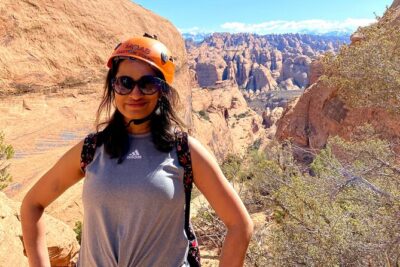
The scenery is a major reward. From high points and canyon walls, you get the red rock forms that make Moab famous, along with views into the narrow spaces below. One outing in the Sand Canyon Recreation Area included two rappels over 100 feet, followed by a hike through a river or creek back to the vehicle. Another account mentions a 140-foot rappel.
Those details show the range of the experience, but they should not be treated as a guaranteed itinerary for every departure. Ask your guide or booking staff which canyon and rappel sequence is planned for your date.
Same rock and river, another way down:
- Moab Private Half-Day Canyoneering (4 Hours)
★ 5.0 · 443 reviews - East Zion 2.5 Hour Slot Canyon Canyoneering UTV Tour
★ 5.0 · 323 reviews - Moab Canyoneering Experience
★ 5.0 · 146 reviews - East Zion: Stone Hollow Full-day Canyoneering Adventure
★ 5.0 · 101 reviews
Rappelling into Moab’s red rock country
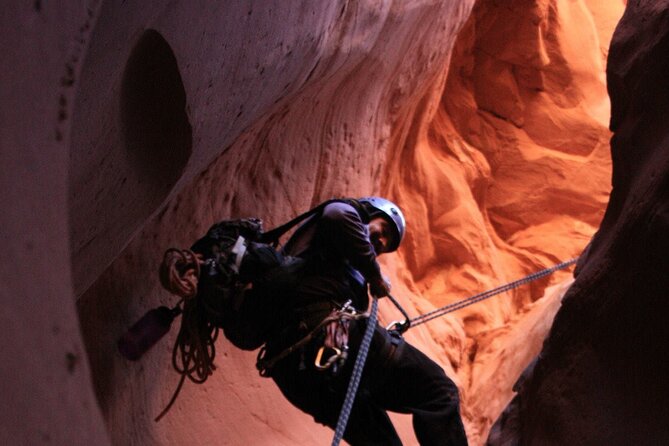
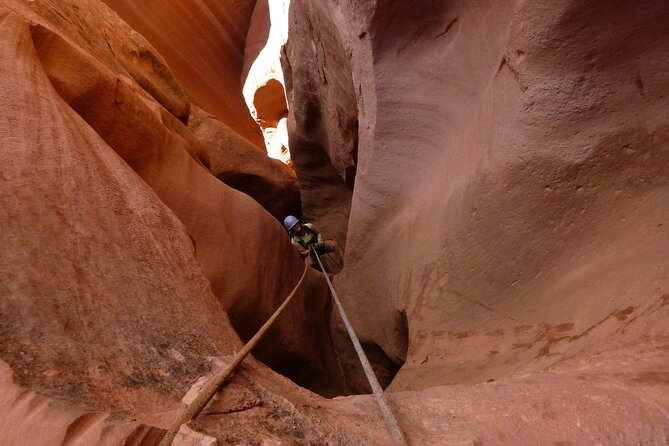
Rappelling is the moment many people book this trip for, and it can be both thrilling and unnerving. You control your descent with the rope while the guide manages the technical setup. The height gives you a new view of the rock, but it also demands focus.
The most useful preparation is mental. Listen to the safety briefing, check that you understand the hand position and body angle, and take the descent at the speed that lets you stay calm. The guides are there to support you, not to turn the activity into a race.
Some descents may reach around 120, 130, or 140 feet, depending on the route. That is high enough to challenge anyone who has never rappelled. If you are afraid of heights, the trip can still work, but you need to be honest about your comfort level and ready to follow instructions closely.
There is also a fair warning in the feedback about this kind of outing. One person described being pushed hard into a rock face during a rappel and felt the guide did not check in afterward. That is not a reason to dismiss the trip, but it is a reminder to speak up immediately if you are hurt, frightened, or unsure. A strong guide should know how you are doing, and you should not hesitate to ask for a pause.
The half-day introduction or the full-day Robbers Roost route
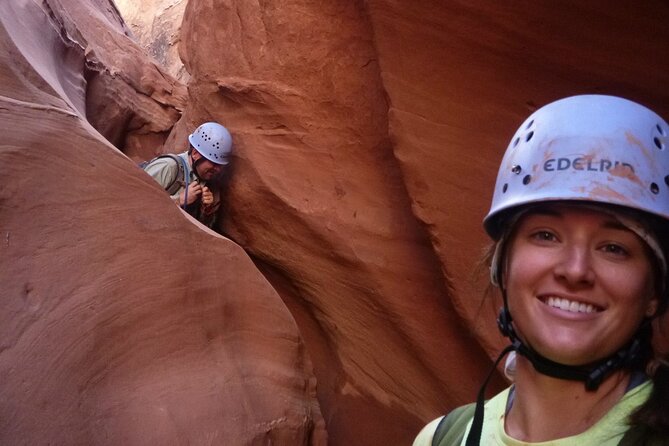
The half-day option is the sensible starting point for first-time canyoneers who want to learn the basics without committing an entire day. You still need to hike, scramble, rappel, and manage the mental strain of unfamiliar movements. Half-day does not mean effortless.
The full-day outing to Robbers Roost is the bigger commitment. It is described as moderately difficult and takes you farther into remote red rock desert. You should expect more time on your feet, more exposure to heat, and a greater need to pace yourself.
The full-day format includes a buffet-style lunch, transport by 4×4, and extra water once you return to the shuttle vehicle after canyoneering. That extra water is especially welcome after hours in dry desert air, but it does not replace what you must carry during the activity.
For the full day, pack your own water in a day pack. The operator asks for more than a gallon per person, particularly during hotter months. That may sound excessive until you factor in exertion, sun, and the possibility of a long return through rough terrain.
What the $250 price really covers
At $250 per person, this is not a cheap activity. The value depends on what you would otherwise need to arrange yourself.
The fee includes a licensed, experienced guide, harness, helmet, ropes, and 4×4 transport to the canyon. On the full-day trip, it also includes lunch. Hotel pickup and drop-off may be included based on your accommodation location.
Buying or renting technical equipment, finding the canyon access point, arranging a suitable vehicle, and learning rope systems on your own would be difficult and potentially unsafe. The cost is therefore easier to justify if you want a properly organized introduction rather than simply paying for a view.
The price is less compelling if you are looking for a light outdoor activity or a short photo stop. You are paying for instruction, logistics, equipment, and access to a demanding environment. Gratuity is not included, and soft drinks and snacks are also on you.
At the time of booking, confirmation is sent within 48 hours, subject to availability. The trip needs at least three participants to operate, and the maximum group size is 12. If the minimum is not met, you are offered another option or a full refund.
What to pack for a hot, technical day
Your packing list should be practical rather than bulky. Start with hiking shoes that can handle uneven rock. Add a day pack with more than a gallon of water per person, using a hydration pack or several reusable bottles.
Bring sun protection: sunscreen, lip balm, sunglasses, a hat, and a sun hoodie if you use one. Long hair should be tied back. Snacks are not included, so bring food that will survive heat and movement.
A camera can help record the big descents, but carry it carefully. The gear is your responsibility, and the canyon is a rough place for delicate electronics.
Hot weather changes the experience. Canyoneering can become exhausting from heat alone, even before the scrambling and rappelling begin. Drink steadily rather than waiting until you feel thirsty, and tell your guide if you need a break.
Who will enjoy this most?
This trip suits active adults, families with physically capable older children, couples looking for a more unusual Moab day, and first-time rappellers who want instruction. Several family groups included teenagers, and one family with a 13-year-old enjoyed multiple large rappels.
You should be comfortable with moderate physical effort and willing to work through moments of uncertainty. A fear of heights does not automatically rule you out, but a strong fear may make the day stressful. The same goes for tight spaces and water-filled sections.
This is not the best fit if you want a relaxed sightseeing tour, dislike scrambling, or are not prepared to carry substantial water. The heat can be a serious factor, especially in summer.
Booking, weather, and cancellation details
You can cancel for a full refund up to 24 hours before the local start time. Cancellations or changes made less than 24 hours ahead are not refunded or accepted.
Good weather is required. If conditions cancel the activity, you are offered another date or a full refund. The minimum group size also applies, so a departure can be canceled if fewer than three people are booked.
Because the activity is often booked about a month ahead, reserve early if your Moab schedule is tight. Still, do not book it as your only fixed plan if your trip is short and weather could affect the departure.
Should you book the Moab Canyoneering Adventure?
Book it if you want to do more than look at Moab’s red rock from a trail or vehicle. The combination of technical instruction, rappelling, tight canyon passages, and remote desert travel gives you a much more active connection to the area.
I would choose the half-day introduction for a first attempt, especially if your group includes someone nervous about heights or unsure about the physical demands. I would choose the full-day Robbers Roost trip if everyone is fit, well hydrated, and eager for a longer, moderately difficult outing.
The strongest reason to book is the guide-led instruction. Names such as Mike, Wyatt, Katy, and Chris appear repeatedly in the supplied experiences, with particular praise for calm coaching and safety awareness. The main reason to pause is the effort required. This is exciting because it is demanding, not because it removes every challenge.
FAQ
How long does the Moab Canyoneering Adventure last?
The full experience is listed as approximately eight hours. A half-day introduction is also available, with the exact duration depending on the option selected.
Do I need previous canyoneering experience?
No experience is needed for the half-day introductory trip. You still need moderate physical fitness and must be ready for hiking, scrambling, rappelling, and other active canyon movements.
What equipment is provided?
The tour provides a harness, helmet, and ropes, along with other required technical equipment. You need to bring suitable hiking shoes and a day pack.
Is lunch included?
A buffet-style lunch is included on the full-day trip only. Soft drinks and snacks are not included, so bring your own if needed.
How much water should I bring?
You are asked to pack more than one gallon of water per person, especially during hotter times of year. Extra water is provided after you return to the shuttle vehicle.
Where does the tour begin and end?
The meeting point is Navtec Expeditions at 321 North Main Street in Moab, Utah. The activity ends back at the meeting point. Pickup and drop-off may be available depending on your accommodation location.
What happens if the weather is poor or the group is too small?
The activity requires good weather and a minimum of three people. If it is canceled for either reason, you are offered another date or experience, or a full refund.
Newly roped up around the USA
- Bryce Canyon Private Canyoneering Adventure★ 5.0 · 17 reviews
- Moab Robber’s Roost Canyoneering Adventure★ 5.0 · 18 reviews
- Private 5-7 Hour Canyoneering Day Tour in Moab★ 5.0 · 32 reviews
- East Zion: Powell’s Way Full-Day Canyoneering★ 5.0 · 33 reviews
- Full-Day Private Slot Canyoneering (From Moab)★ 5.0 · 47 reviews
- Goblin Valley State Park Canyoneering Adventure★ 5.0 · 76 reviews
- Private Half-Day Canyoneering Tour in Moab★ 5.0 · 71 reviews
- Tucson Half Day Rock Climbing or Canyoneering in Arizona★ 5.0 · 89 reviews
Moab Canyoning Tours, descent by descent.
Goblin Valley State Park Canyoneering Adventure
Read our review →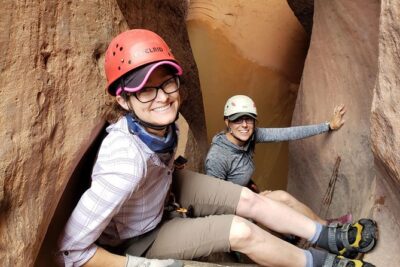
This trip also sits on these lists